Written by Yoo Bo-ra and Directed by Lim Hyeon-wook
What is a ‘perfect life’? Success, marriage, children, social status? Do these guarantees bring peace?
As an artist, I found myself profoundly connected to this story. Art, after all, is a mirror. In this drama, painting carries symbolic weight, becoming a space of honesty, distortion, and a means to reshape the narrative. This is less a story of plot twists and more a journey into emotional archaeology, and it is done beautifully. For someone who uses words, and perhaps this very platform, to explore feelings often kept private, it felt deeply resonant.
The characters inhabit a rare quality of dramaturgy, each one carefully crafted and performed with remarkable subtlety. Their interactions carry layers that accumulate slowly, the way real understanding does. The ensemble cast brings genuine richness to the story, and the performances feel lived-in rather than constructed.
At its core, the production suggests this: envy is more dangerous than we admit. Not the loud, obvious jealousy, but the quiet comparison that slowly corrodes identity. The kind that creeps in when we desire someone else’s freedom, resent their authenticity, or project our own dissatisfaction onto another. It asks a difficult question: are we angry at others, or at the parts of ourselves we abandoned?
Who are we before marriage, before motherhood, before social expectations, before betrayal? These are not rhetorical questions here. The drama sits with them honestly. The story reminds us that social validation does not equal inner fulfillment. Stability does not guarantee emotional honesty. Comfort can conceal deep moral fractures, and the cost of maintaining appearances can be heavier than facing the truth.
Identity is fragile. One of the most striking ideas in the drama is how easily it can be rewritten. People reinvent themselves, sometimes to survive, sometimes to escape accountability. Women in this story are complex and multi-dimensional. They are ambitious, resentful, loving, manipulative, vulnerable, and contradictory. No one is purely victim or villain, and that moral grey space is the point.
The title itself emphasizes reflection. We see echoes of our former selves, our regrets, and our suppressed desires. The past is never quiet. It does not return to punish, but to illuminate what we cannot escape. The emotional tone throughout, and particularly in the final moments, is quietly heavy and real. There is no grand reconciliation, no dramatic confession, no sweeping catharsis. Instead, the characters live with the consequences of their choices. This restraint makes the drama feel adult, subtle, and haunting.
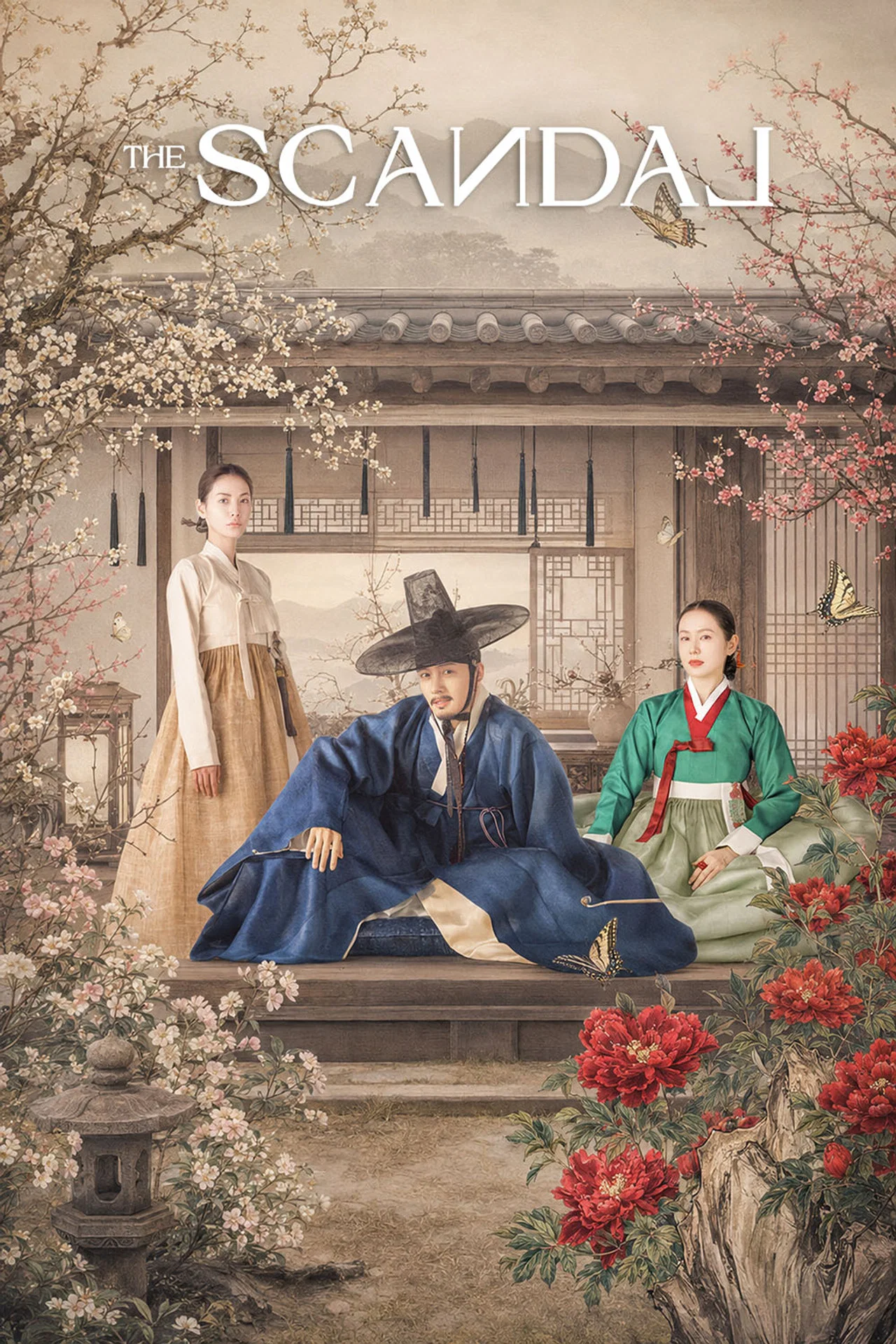
Image courtesy of JTBC