Written by Kim Eun-hee | Directed by Yoon Jong-ho and Kim Ji-hoon
Can we ever fully know another person, and what happens when the person we love turns out to be someone we never imagined?
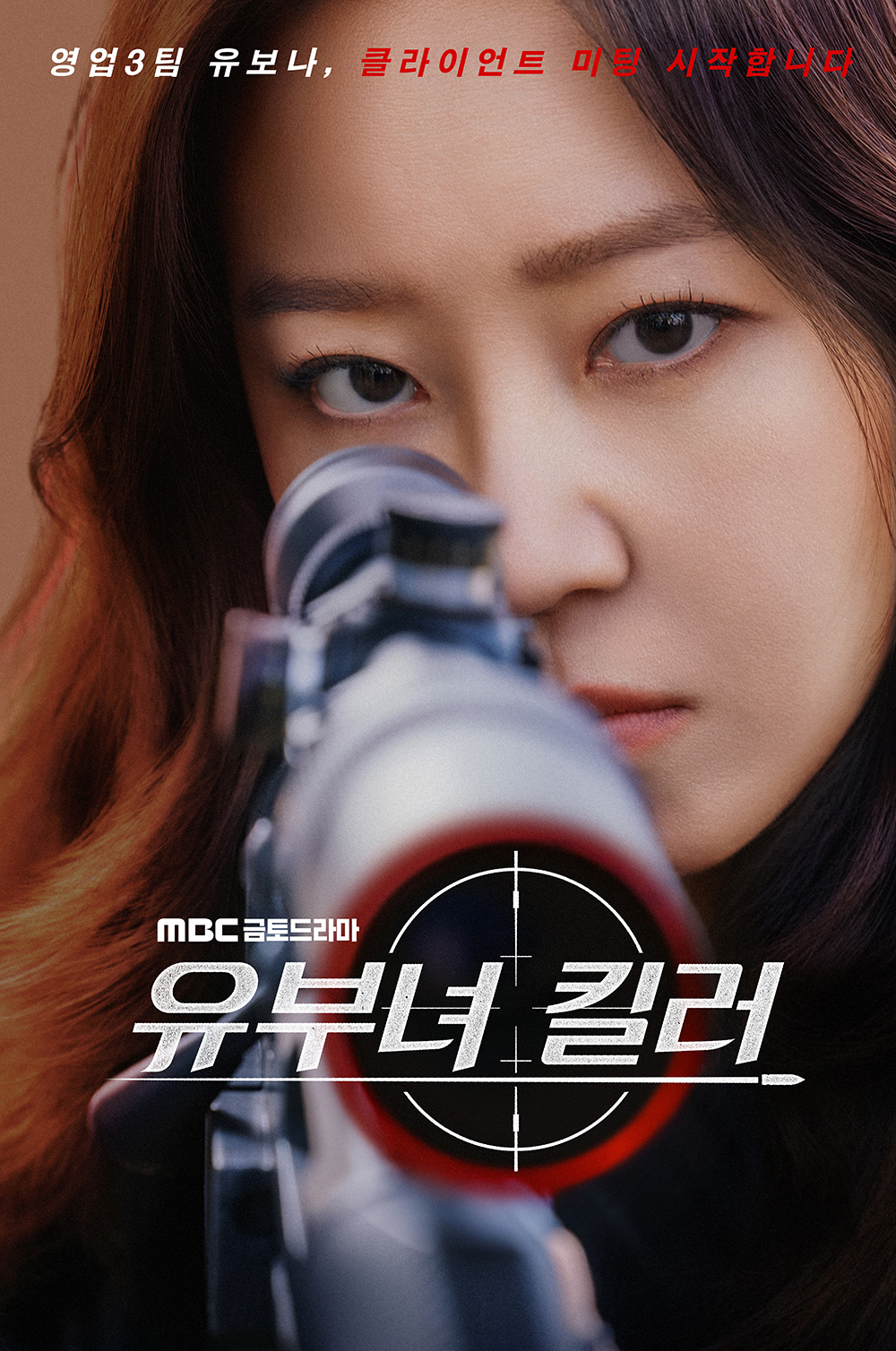
What I find most interesting about A Bona Fide Killer is that, beneath its unusual premise, it is a story about the tension between who we are, who others believe us to be, and who we are allowed to become in their eyes.
Bo-na’s double life makes that tension literal, but the conflict beneath it is a familiar one. We all inhabit different roles, and we do not always reveal every part of ourselves to everyone. The challenge is learning when those boundaries protect our individuality and when they keep us from being genuinely known.
Perhaps the difficulty lies in the fact that being known and being understood are not necessarily the same thing. We may share our lives with someone for years and still fail to recognize the fears, contradictions, and desires that exist beneath the person we have come to know. Familiarity can make us feel certain about another person, sometimes so certain that we stop looking beyond what we already believe to be true.
The drama also invites us to question our own moral certainty. We are often willing to excuse actions when we sympathize with the person committing them, just as we may condemn someone without understanding the circumstances that shaped their choices. It asks us to consider the uneasy distance between understanding why someone acts as they do and believing that those actions are justified. Compassion does not have to mean absolution, just as accountability does not require us to deny someone’s humanity.
And then there is love.
Perhaps love is not the discovery that another person is exactly who we imagined them to be. Perhaps it begins, in a more meaningful sense, when our assumptions no longer hold and we must decide whether we are willing to see them differently.
After all, discovering that someone has concealed a part of themselves does not necessarily mean that everything we shared was a lie. The affection may have been genuine, the memories meaningful, and the intimacy real, even if our understanding of the person was incomplete. What changes is not always the past itself, but the way we understand it.
Yet love has its limits, and acceptance does not erase the need for honesty or accountability. The people who love us are not obligated to remain comfortable with every truth about us. Nor are we obligated to remain the people they first fell in love with. We change, sometimes in ways that bring us closer to others, sometimes in ways that force us to reconsider the lives we have built together.
The question, then, is whether we can make room for one another to change, to contradict ourselves, and to be more complicated than the roles we have been assigned. And whether we can do so without confusing acceptance with permission or love with the obligation to stay.
In the end, the most dangerous secret may not be that someone has another identity. It may be the belief that we already know everything there is to know about the person we love.
Perhaps the most meaningful kind of love is not the love that never has to face the truth, but the love that must decide what to do when the truth finally arrives. Not because love can resolve every contradiction or repair every wound, but because it asks something difficult of us: to see another person more clearly, without looking away from what we see, and to decide what remains possible once the illusions have fallen away.
Image Courtesy of MBC TV