I remember the first time I had an anxiety attack, as though it were happening today. Back then, I worked at a chaotic, high-pressure travel agency—a place so relentlessly fast-paced it felt like standing in the eye of a storm. Phones rang incessantly, customers demanded miracles, and deadlines pressed at every turn. The stress was constant, but I pushed through because I had to. Bills don’t wait, kids don’t pause, and there was no room in life for excuses. What I didn’t understand then was that all of it—the pressure, the rushing, the invisible weight—was silently exacting a cost that I would soon be forced to pay.
It happened late one night after dinner. The kids were asleep, the house was quiet, and for once, I thought I could exhale. But out of nowhere, it hit me.
At first, it was just my heart—pounding hard, like it was racing toward something I couldn’t see. My breathing became dificult and uneven, and my chest tightened with a sharp pain that seemed to spread everywhere, like the air had suddenly disappeared. I couldn’t breathe. I couldn’t move. The only thought that hit me was clear and cold: I’m having a heart attack. Panic took over, forcing tears from me without warning. There was no obvious cause, no clear trigger—just the heavy, invisible weight of everything I hadn’t dealt with. That night, I realized anxiety doesn’t ask to come in; it just bursts through, uninvited and unstoppable.
I ended up in the hospital, where they gave me something to calm me down. At that moment, someone gave my experience a name: anxiety. Hours later, I was sent home with a prescription—and with it, an unfamiliar new reality.
In Brazil, we call such medications Black Label. They carry a reputation—whispered about with both fear and reverence, as though they hold a secret too dangerous to be spoken. When I held that prescription in my hands, it felt like I was crossing an invisible line into a world I’d never imagined. The idea terrified me. Growing up, I had been taught to be suspicious of such things.
Mental health struggles were often treated with silence or denial—something to be endured quietly, not spoken about openly. Seeking help, especially through medication, carried a certain stigma, as though admitting to anxiety or depression was a personal failure rather than an illness. You were expected to pull yourself together, to push through, to be strong even when everything inside you was unraveling.
That night, I made a promise to myself: I need to find a way on don’t relied on those pills. It wasn’t out of arrogance, but rather a deep instinct. I had taken all the medication the doctor prescribed, but I knew deep down that I needed to find a different path. Please don’t misunderstand me—those meds are crucial for healing!
The days that followed were quiet but heavy. I took time off work—a luxury I never used to grant myself—a Permission to Pause. I talked to my boss, stepping into a role with less chaos and more room to breathe. It was a small shift, but one that felt seismic. But the real work began within me. I decided, in those days of stillness, that I would no longer allow stress and overwhelm to drive my life. I would become deliberate. I would live with balance, not burden.
Adopting this mindset wasn’t easy. Old habits pull us like the tides, but I found comfort in small truths. The words of the Serenity Prayer became my quiet mantra: The serenity to accept the things I cannot change, the courage to change the things I can, and the wisdom to know the difference. It felt as if those words had been waiting for me to discover them. They reminded me to let go of what I couldn’t control and reclaim what I could. Slowly, I learned the wisdom of balance—not the kind you force, but the kind you nurture. And to be clear, I’m not a religious person; it was all about the power of those words.
This way of thinking resonated deeply with the teachings of Confucius, a philosophy my late aunt Clarisse—my dearest guide—shared with me since my childhood. The concept is that peace is not found in controlling everything, but in aligning ourselves with the rhythm of life. Balance. Harmony. Acceptance. These were not just ideas; they became anchors. Whenever anxiety threatened to pull me under, I’d pause, breathe, and ground myself in what I could control: my thoughts, my actions, and the choices before me.
I don’t know if I ever truly overcame the anxiety. Overcoming suggests a battle, and anxiety isn’t something you conquer—it’s something you learn to carry with care. That first attack was the last of its kind. I’ve had smaller sintoms since, shadows of what once was, but nothing as consuming as that night.
To Those Who Know What It Feels Like
If you’re reading this and you know what it feels like to live with anxiety, I see you. I see how hard you’re trying. I see the strength it takes to carry an invisible weight, the kind others don’t always understand.
Here’s to your quiet victories—the days you got out of bed when it felt impossible, the nights you faced your fears when you just wanted to hide. Those moments matter. You matter. Let’s remind ourselves of this truth: we are worthy of rest. Worthy of care. Not because we’ve earned it, but because we exist. Anxiety may be a part of your story, but it does not write the ending. You are so much more than the worries you carry.
To show up every day—even when it’s hard—is proof of a resilience stronger than anxiety itself. Don’t let it, or anyone, convince you otherwise.
You are enough. Just as you are.
We’re in this together. Breathe. You’re worth the space it takes to heal.
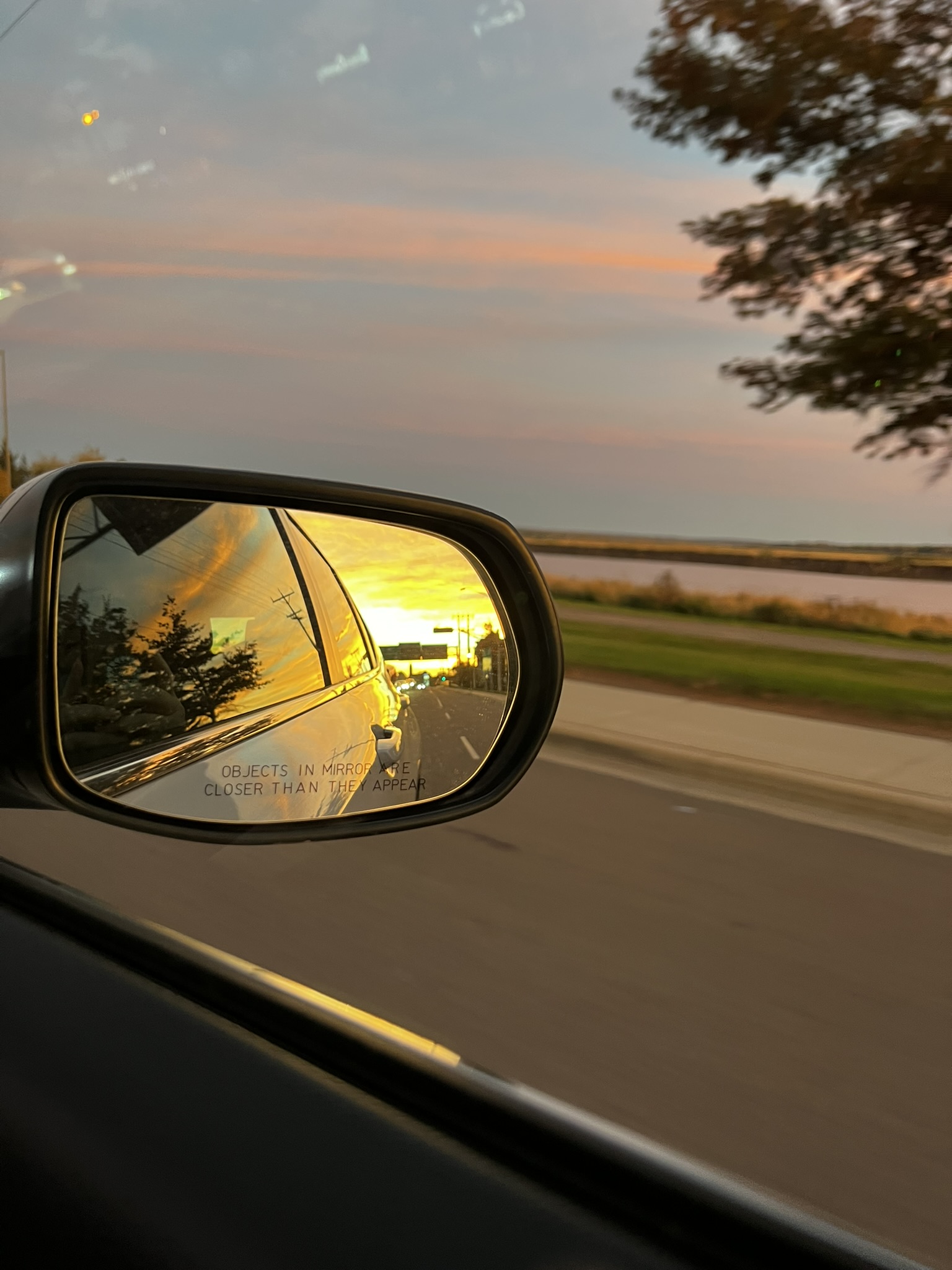
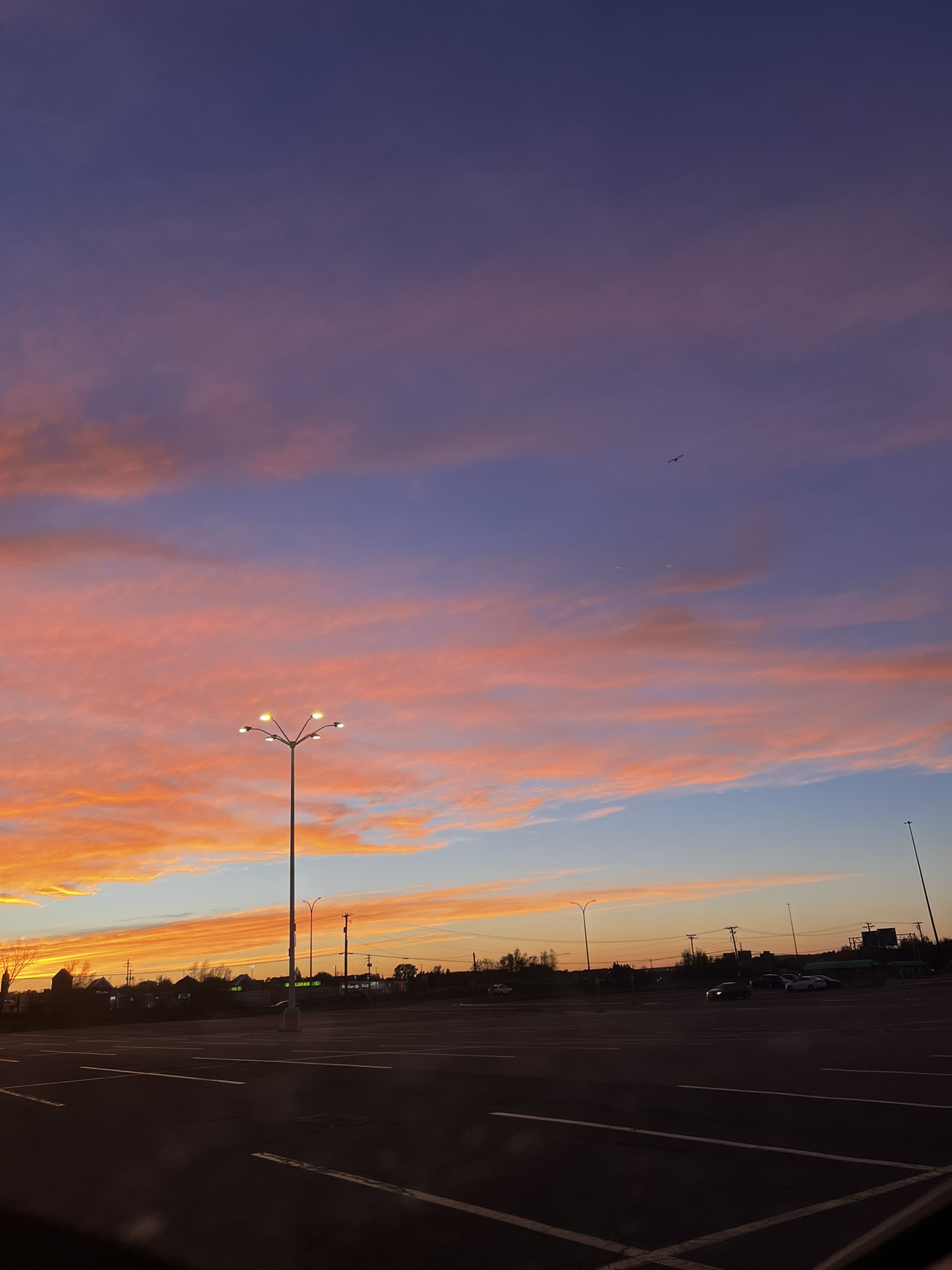
Image: Personal Archive 2019 | Saint-Gabriel-de-Valcartier, Québec, Canada